Finishing a course of Accutane is a milestone worth celebrating. After months of diligent treatment, your skin is finally clear — but the work is not entirely over. The weeks and months after isotretinoin are when a thoughtful routine protects your results and lets your skin finish healing. Dr. Lauber walks every patient through this phase so the progress sticks. Here is what to focus on once your last dose is behind you. The ideas here are straightforward, but they make a real difference in how your skin settles and how long your results last.
Be gentle and stay hydrated
Your skin is often still delicate right after treatment. For the first month, keep things simple: a mild, non-stripping cleanser and a fragrance-free moisturizer to rebuild the skin barrier. Skip anything harsh or heavily fragranced that could undo the calm you have earned. Most people stay more sensitive for at least a month after stopping, and sometimes longer, so there is no rush to complicate your routine. A gentle wash, a good moisturizer, and patience will get you further in this window than any ambitious multi-step regimen.
Dryness can linger even after the medication is out of your system. Look for ingredients that pull in and hold moisture:
- Hyaluronic acid draws water into the skin for lasting hydration.
- Ceramides help repair and protect the natural barrier.
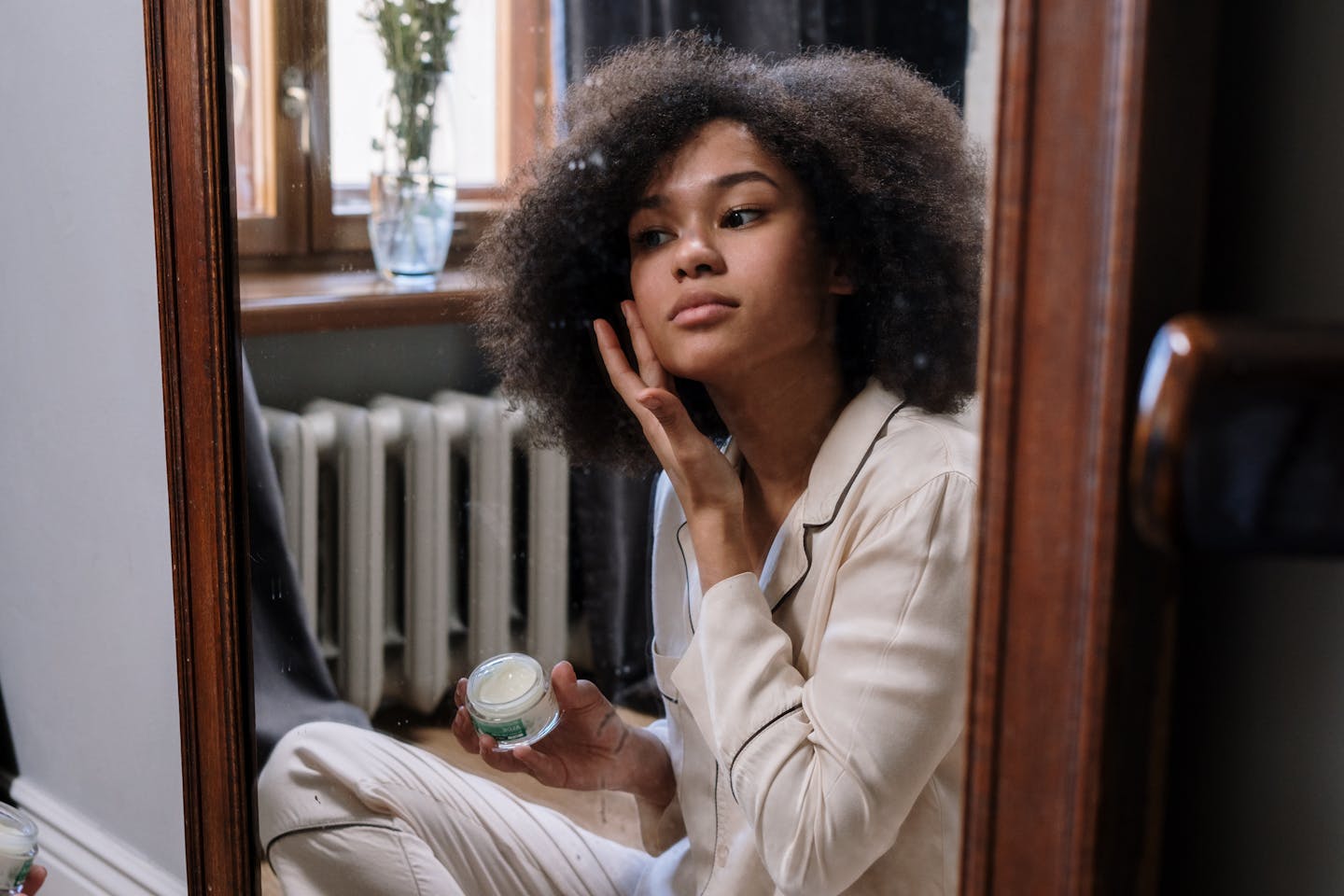
Moisturize right after cleansing so you lock in water before it evaporates — the order matters more than people think. A layer of moisturizer on damp skin holds noticeably more hydration than one applied minutes later. If dryness still feels stubborn, a heavier cream at night can help carry your skin through the sleeping hours.
Bringing active ingredients back slowly
It is tempting to rush back to exfoliants and acne fighters, but patience pays off. Wait roughly a month, then reintroduce products like vitamin C, salicylic acid, or benzoyl peroxide slowly — once or twice a week at first. If your skin stays calm, you can build up. A prescription retinoid such as tretinoin, started around the one-month mark, is often the best defense against future breakouts because it keeps pores clear. Always confirm the timing with your dermatologist first. And if breakouts ever do start returning, follow up promptly so the routine can be adjusted before they become established. Your skin is telling you what it can handle during this period — the smartest approach is to listen and adjust.
Sun protection never stops
Post-Accutane skin stays more sun-sensitive, and UV exposure can darken any lingering marks. A broad-spectrum SPF 30 or higher every morning — plus a hat for long days outdoors — is one of the simplest, highest-impact habits you can keep. Daily sunscreen helps prevent discoloration and protects the progress you have made. Even on overcast Orange County mornings, the UV exposure adds up, so make SPF part of your waking-up routine, not an afterthought.
Addressing leftover scars or redness
Accutane clears active acne, but it does not erase old scars. Once your skin has fully recovered, treatments like chemical peels, microneedling, or laser therapy can smooth texture and even out tone. These are best done after your dermatologist confirms your skin is ready, since aggressive procedures too soon can cause complications. You can see what we offer under dermatology services, and read more about treating acne scars safely when the time comes. Timing matters here, so let us look at your skin before you book any procedure.
Stay connected with your dermatologist
Your skin can take several months to fully normalize, and occasional dryness or a small return of breakouts is not unusual. Keep your follow-up visits and reach out if anything worries you. With steady care — and a routine built with your doctor — the clear skin you worked for can last for years. If you are still earlier in the journey, our overview of how Accutane works explains the treatment itself, and our acne treatment page shows the full range of options we offer. You have come this far — a little ongoing care is all it takes to make the results last.