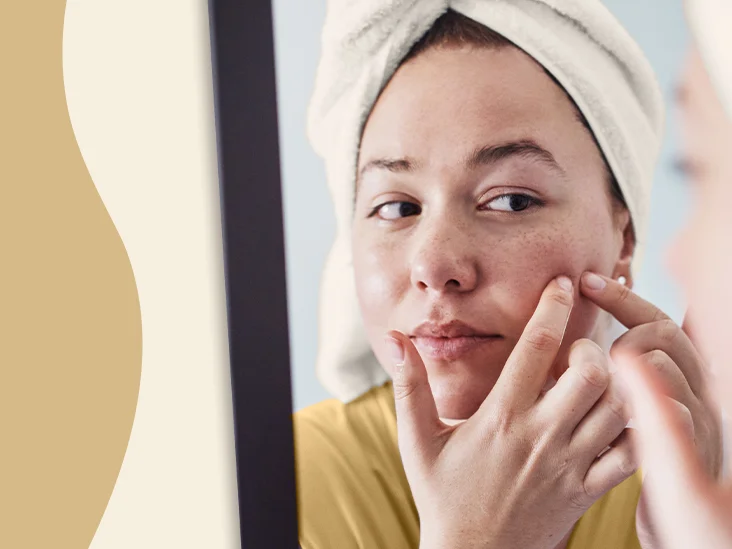

You have done the cleansers, the spot treatments, the prescription creams — and the deep, angry cysts keep coming back. If that sounds familiar, Accutane (the brand name for isotretinoin) may be the option you have been waiting for. It is one of the few acne treatments that works on nearly every cause of the problem at once, which is why it has stayed the gold standard for severe, cyst-prone skin for more than three decades. Dr. Lauber has guided more than 7,000 patients through this medication, and the results are often life-changing. In this article, I will walk you through how the medication actually works, what a typical course feels like, the side effects worth knowing about, and how to keep yourself comfortable along the way.
What Accutane actually does
Rather than drying up one pimple at a time, isotretinoin goes after the root mechanisms of acne all at once:
- It shrinks oil production. Your sebaceous glands make far less sebum, so pores have much less to clog.
- It shrinks the oil glands themselves. Smaller glands mean less oil sitting on the surface of your skin.
- It keeps pores open. With less oil and slower skin-cell buildup, follicles stay clear.
- It calms bacteria and inflammation. It reduces the acne-causing bacteria along with the redness and swelling they trigger.
That combination is why this medication succeeds where gentler treatments fall short, and for many people it is exactly what finally clears years of frustration. It is also why it is reserved for the toughest cases — it is powerful, and it deserves careful respect. If you want to understand the forces behind your breakouts before committing to treatment, our guide to what causes acne in the first place is a good place to start.
What a typical course looks like
A standard course runs about four to five months. Some patients, especially those with very severe acne, may need more than one round. Your exact length depends on your dosage and how your skin responds, and you will check in with us monthly along the way. Here is something most people do not expect: your skin may actually get worse during the first month or two before it starts to clear. That initial flare can be discouraging, I know. But it is a normal part of the process, and most patients see meaningful improvement as treatment continues.
Because Accutane is strong, it calls for close monitoring. You will come in for regular visits and blood work so Dr. Lauber can watch your liver values and your overall health. Women of childbearing age also need pregnancy testing, since the medication carries a well-documented risk of birth defects. That structure is not red tape — it is what lets the medicine do its work safely. For a closer look at the day-to-day experience, read our guide to what to expect during Accutane treatment.
Side effects to expect — and the ones that matter
The most common effects are dry skin, chapped lips, and occasionally dry eyes, along with some sun sensitivity and mild joint aches. These are manageable with good moisturizers and lip balm. Your skin also becomes more sensitive to sunlight while you are on the medication, so daily sunscreen and limited sun exposure matter throughout treatment — not just on beach days. More serious concerns — mood changes, vision changes, severe headaches, or liver issues — are rare, but they are exactly why structured monitoring matters. We would much rather catch something early than let it become a problem.
Taking care of your skin while you treat
A few practical adjustments make the whole experience smoother:
- Wear broad-spectrum sunscreen every day and limit your time in direct sun.
- Moisturize consistently — your lips especially.
- Avoid waxing, laser treatments, and aggressive peels during treatment and for about six months after.
These small habits do more than keep you comfortable. They help treatment stay on track, because a patient who is dry and uncomfortable is less likely to stick with a course that is working. Keep the routine simple, and the finish line will come faster than you think.
By the end of a course, many patients are acne-free for years, sometimes permanently. If you are considering this path, the team at our Newport Beach acne clinic can walk you through whether it is right for you and what monitoring would look like. And when you finish, our post-Accutane skin care guide will help you protect the results you have worked for.