Clearing active acne is a huge relief, but for many patients the story does not end there. The scars left behind can be a daily reminder of past breakouts, and they affect both how skin looks and how someone feels. The good news is that scarring can almost always be improved — even if it cannot be erased entirely. Most people are surprised to learn how much texture and tone can change with the right treatment. Knowing what type of scar you have is the first step toward the right plan. And the earlier you look into it, the more options you tend to have.
The main types of acne scars
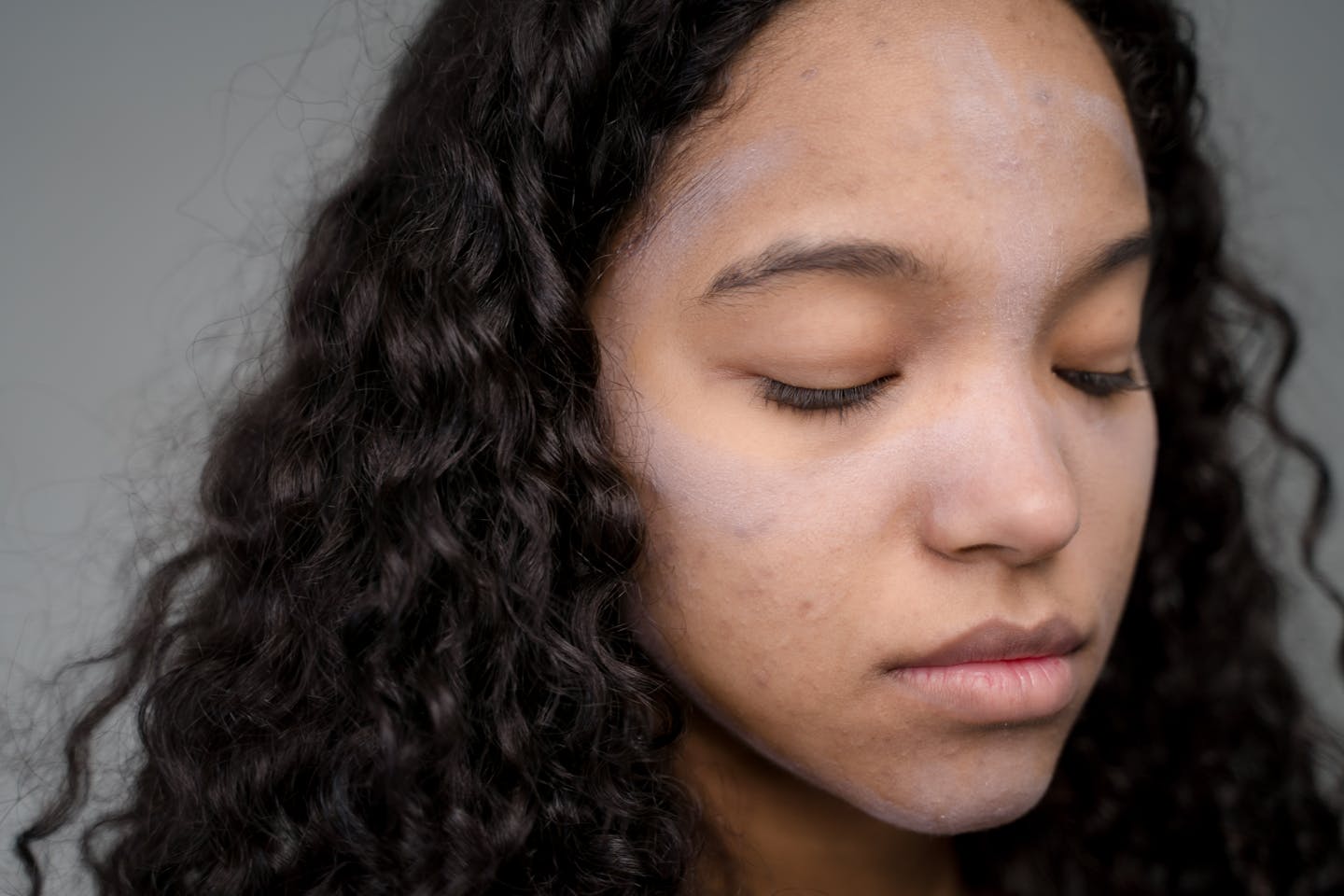
Scars generally fall into two groups. Depressed, or atrophic, scars sit below the surrounding skin and include icepick scars (deep, narrow pits), boxcar scars (wider with defined edges), and rolling scars (broad, wavy depressions). Raised, or hypertrophic, scars sit above the skin and come from excess collagen during healing — they are more common on the chest and back. Each type responds to different approaches, which is why a proper exam matters. The same cream will not help every scar, and neither will the same laser.
Over-the-counter support — and its limits
For very mild discoloration, ingredients like alpha hydroxy acids, retinoids, salicylic acid, and vitamin C can gradually brighten and smooth the surface. They help with faint marks but usually fall short against deeper, pitted scars. Think of them as maintenance rather than a cure — useful alongside professional care, but rarely enough on their own. Still, they are worth using in the meantime: consistent use can soften the look of faint marks while you plan professional treatment.
Professional treatments that work
For meaningful change, in-office procedures are the reliable route. The options we consider include:
- Chemical peels remove the top skin layers to soften shallow scars.
- Laser therapy — ablative, non-ablative, and fractional lasers each stimulate collagen and resurface skin to different degrees.
- Microneedling uses tiny controlled injuries to trigger the collagen that lifts depressed scars.
- Dermal fillers temporarily raise deep scars for a smoother surface.
- Subcision releases the bands pulling scars down so the skin can rise.
- Steroid injections flatten raised, hypertrophic scars over time.
Which of these fits depends on your scar type, depth, and skin. That is why the first appointment is always an evaluation rather than a pitch — we want to match the tool to the scar, not the other way around. You can explore the full range of what we offer on our dermatology services page.
What recovery looks like
Downtime depends on the procedure. Microneedling and light peels may leave only a few days of redness, while laser resurfacing or deeper peels can take several days to weeks of care. Most treatments need multiple sessions spaced weeks apart, and results build over a few months as new collagen forms — this is a process, not a single appointment. Throughout, sun protection and gentle moisturizing are non-negotiable, and picking at healing skin only makes things worse. Plan around your downtime ahead of time: schedule sessions when you can give your skin a few quiet days to recover.
Prevention is the best medicine
The surest way to avoid scars is to treat acne early and resist the urge to pick. If you are still breaking out, addressing it now protects your future skin — and you can read about effective acne treatments in Newport Beach to see the range of approaches we use. Dr. Lauber can evaluate both active acne and any leftover scarring at our Newport Beach clinic and map out a plan that may combine good post-acne care with targeted scar treatments. And if you have recently finished a course of Accutane, our post-Accutane skin care guide explains how to support healing so scarring has the best chance to fade. No single approach fits everyone, which is exactly why this starts with a look at your scars, not a one-size-fits-all recommendation.
Scars do not have to be the last chapter of your acne story. With the right plan — and a doctor who treats the scar type in front of you — most people end up with skin they feel far better about.