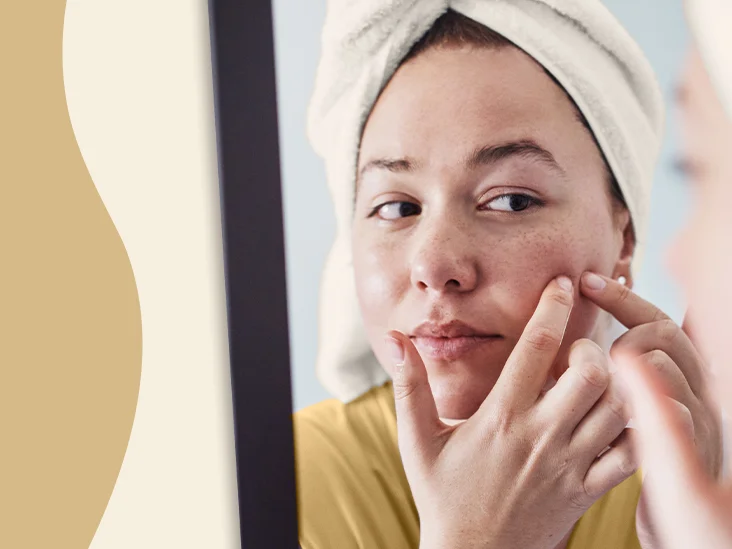

If you've been fighting breakouts well past your school years, you're in good company. Acne is one of the most common skin concerns we treat at our Newport Beach office, and it's not a teenage problem. Adults in their thirties, forties, and beyond come in all the time, frustrated by bumps they thought they'd left behind in high school. They've tried the cleansers, the spot treatments, and the advice from well-meaning friends — and their skin still won't cooperate. The good news? Once you understand what's really driving your acne, you can start doing something about it. Here's what I want you to know about the causes that actually matter, and when it's worth bringing in professional help.
Hormones are usually the main instigator
For most people, hormones kick things off. During puberty, rising androgens like testosterone signal the sebaceous glands to make more sebum — the oil that keeps skin soft. More oil means more chances for pores to clog, which is why so many breakouts begin around that time. The same mechanism explains why women often notice flare-ups around their period, during pregnancy, or with conditions like polycystic ovary syndrome (PCOS). In men, androgens can also enlarge the oil glands, leaving skin more prone to congestion.
What surprises people is how directly this connects to daily life. Many of our patients say their skin seems to "have a calendar" — it flares a few days before their period and settles down afterward. That's not their imagination. When hormones surge, sebum production follows, and the timing can be remarkably consistent from month to month. Recognizing that pattern is useful, because it tells us hormonal therapy may play a part in your treatment.
What happens when a pore gets clogged
Acne begins when dead skin cells mix with excess oil and plug a hair follicle. Once that pore is sealed off, a bacterium called Cutibacterium acnes — which lives on all of our skin — multiplies in the sheltered space. Your immune system responds to it, and that response is what produces the redness, swelling, and occasional pus that we recognize as inflamed acne.
In other words, a breakout is your body reacting to what's trapped inside the pore, not a sign that your skin is dirty. That's why scrubbing harder rarely helps — and often makes things worse. The real job is keeping pores from getting clogged in the first place, which is exactly what most acne treatments are designed to do.
Does diet really matter?
The connection between food and acne is still being studied, but the evidence is stronger than it used to be. Diets heavy in high-glycemic foods — white bread, sugary snacks, refined carbs that spike blood sugar — appear to worsen breakouts in some people. Dairy has also been linked to acne, though researchers are still untangling exactly why. The tricky part is that everyone responds differently: a food that triggers one person's skin may be a nonissue for someone else.
We rarely ask patients to completely overhaul what they eat, and we don't expect a diet to cure acne on its own. But trimming these triggers is a reasonable experiment, especially if your skin has been stubborn. Combined with proper treatment, small changes to what you eat can take the edge off.
The everyday triggers people overlook
Beyond hormones and food, a handful of daily influences can tip your skin toward trouble:
- Genetics: If your parents struggled with acne, you're more likely to as well. Some skin types simply clog more easily.
- Stress: It doesn't cause acne on its own, but it can ramp up oil production and make existing breakouts worse.
- Friction: Helmets, tight straps, and pressing a phone to your cheek can cause a form called acne mechanica — literally acne from mechanical pressure.
- Products: Thick creams and certain hair oils can clog pores. Look for the word "non-comedogenic" on labels.
- Medications: Corticosteroids and lithium can trigger acne as a side effect, so it's worth mentioning what you take.
When to stop guessing and get help
You can't change your genes or your hormones, but you can change how your acne is treated. If drugstore products haven't cleared your skin after a couple of months, or if your breakouts are painful, deep, or leaving marks, it's time to bring in a dermatologist. Persistent acne is rarely going to resolve on its own, and waiting usually means more discomfort and more potential for scarring.
Dr. Lauber builds a plan around your specific triggers — whether that means prescription topicals, oral medication, or Accutane for resistant cases. Getting the right treatment early also lowers the odds of permanent scarring, which is one more reason not to wait it out.
If you're still deciding where to start, it helps to know what's out there: natural remedies and prescription options both have their place, and adult acne deserves a different approach than teenage breakouts. But the most efficient path is usually a straightforward one — a conversation with a doctor who treats acne every day. You can explore the treatments we offer on our acne treatment page, and when you're ready, we'll tailor a plan to your skin rather than handing you a generic routine.