
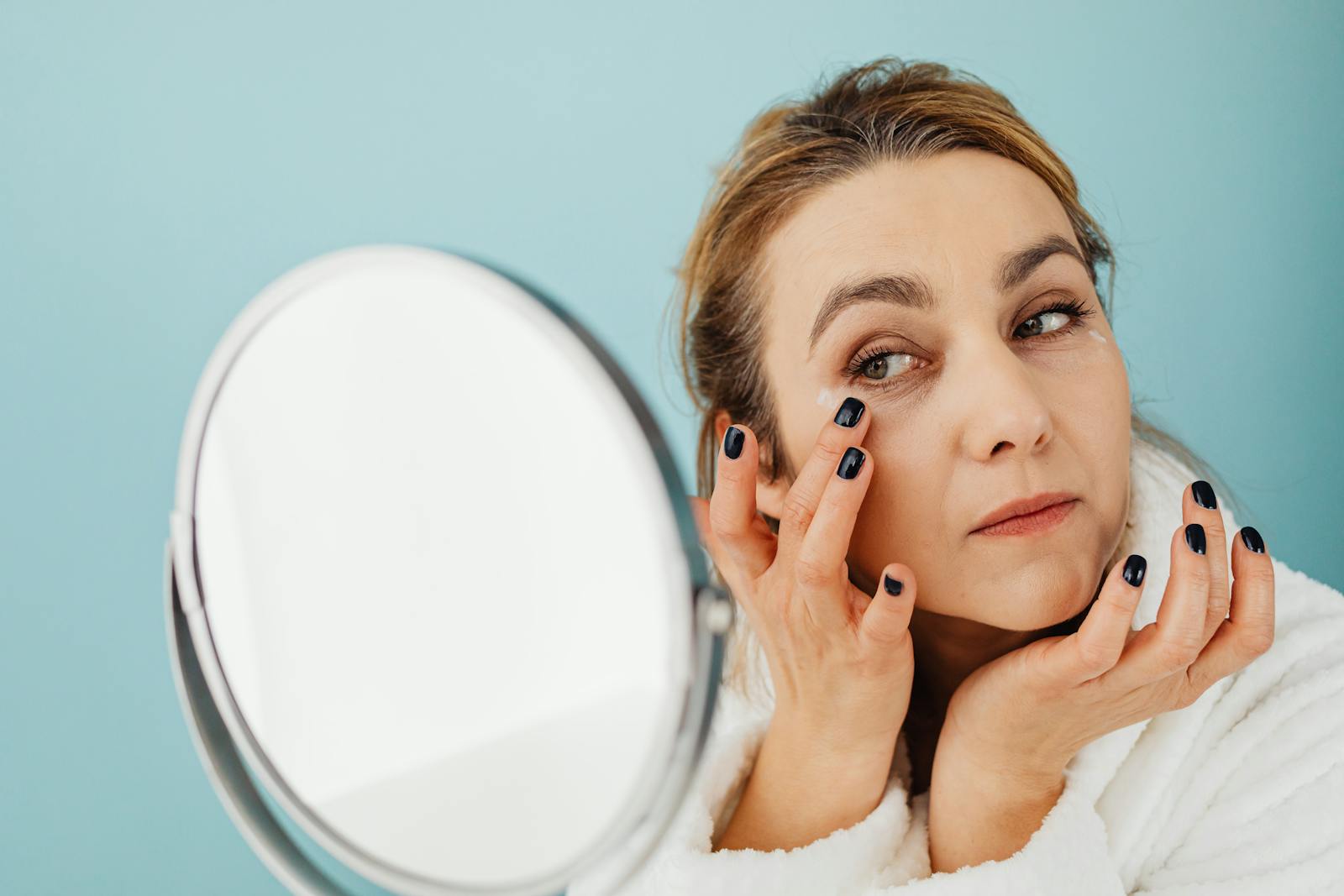
Acne gets a reputation as a teenage problem, but anyone living with it in their thirties, forties, or beyond knows better. Breakouts in adulthood are common — and they can be every bit as frustrating as the ones from high school, if not more so. You're juggling a career, family, and a full calendar, and suddenly your skin is demanding attention like it's 1998 again. The good news is that adult acne responds well to the right approach; it just needs something different from the spot treatments you may have relied on years ago. Here's what that looks like in practice.
Why adult skin breaks out differently
Hormonal shifts are the usual culprit. For many women, fluctuations tied to the menstrual cycle, pregnancy, or perimenopause ramp up oil production and clog pores along the jawline and chin. Instead of a face-wide flare, adult breakouts tend to cluster in those lower areas — which is why they can be so stubborn and so hard to hide. Stress, poor sleep, and a sugar-heavy diet pile on top of that, while the Orange County sun and humidity don't do sensitive skin any favors.
There's another difference worth knowing about: adult skin tends to be thinner and more reactive than teenage skin. A product that cleared your face at nineteen can leave you red and flaky today. That's why a gentler, more tailored routine matters so much when you're dealing with grown-up acne. What worked before isn't necessarily what will work now.
Building a treatment plan that fits your life
Most plans start with topical therapy. Prescription retinoids unclog pores and speed cell turnover, benzoyl peroxide knocks back bacteria, and salicylic acid keeps follicles clear. For deeper or hormonal breakouts, oral options such as spironolactone or a short course of antibiotics can calm things from the inside out. In short, the building blocks look like this:
- Topical retinoids — the backbone of most adult routines, with a quiet anti-aging bonus.
- Benzoyl peroxide and salicylic acid — dependable, affordable, and good for maintenance between flare-ups.
- Hormonal therapy — especially helpful when breakouts track your cycle.
- Chemical peels and laser — great for stubborn spots and the marks acne leaves behind.
The key is sequencing. You don't throw everything at your skin at once. We typically start with a solid topical base, assess how you respond over a month or two, and only then add stronger or oral options if they're needed. That measured approach protects your skin barrier and gives each treatment a fair chance to work.
When Accutane makes sense
For severe, cystic, or long-running acne that hasn't improved with other care, isotretinoin (Accutane) remains the most reliable option. It shrinks oil glands, quiets inflammation, and often delivers years of clear skin after a single course — for many adults, that's life-changing after a decade of trying everything else. Dr. Lauber has prescribed it safely for more than 35 years and monitors every patient closely with routine labs, which is exactly the kind of supervision this treatment deserves. If you've tried everything and your skin still feels like it's running the show, it may be worth a conversation about whether Accutane fits your situation. You can learn more on our acne treatment page, or read about how Accutane works and what to expect.
Compassionate, personalized care in Newport Beach
Every adult who walks in gets a full look at their history, lifestyle, and skin type before we settle on a plan. There's no one-size-fits-all bottle here, and that's deliberate — your routine has to fit your schedule, your sensitivities, and your goals. The goal is simple: clearer skin, fewer flare-ups, and the confidence that comes with both.
If you're just starting out with over-the-counter products, give them a fair shot — a couple of months of consistent use — before assuming they won't work. If your skin still isn't responding, a personalized prescription plan is often faster and gentler on sensitive skin.
Wondering why your breakouts keep returning despite your best efforts? Start with our breakdown of what actually causes acne, from hormones to diet. And if you'd rather skip the trial and error altogether, reaching out to our office is a reasonable next step — an appointment with a dermatologist who treats adult acne daily can save you months of guessing.